What Is Performance Marketing? A Complete Guide
Learn how measurable paid campaigns across Meta, Google Search, and YouTube track every rupee from impression to qualified enquiry, plus key metrics every founder should monitor.
By Digitech Canvaz Editorial Desk · 4 min read
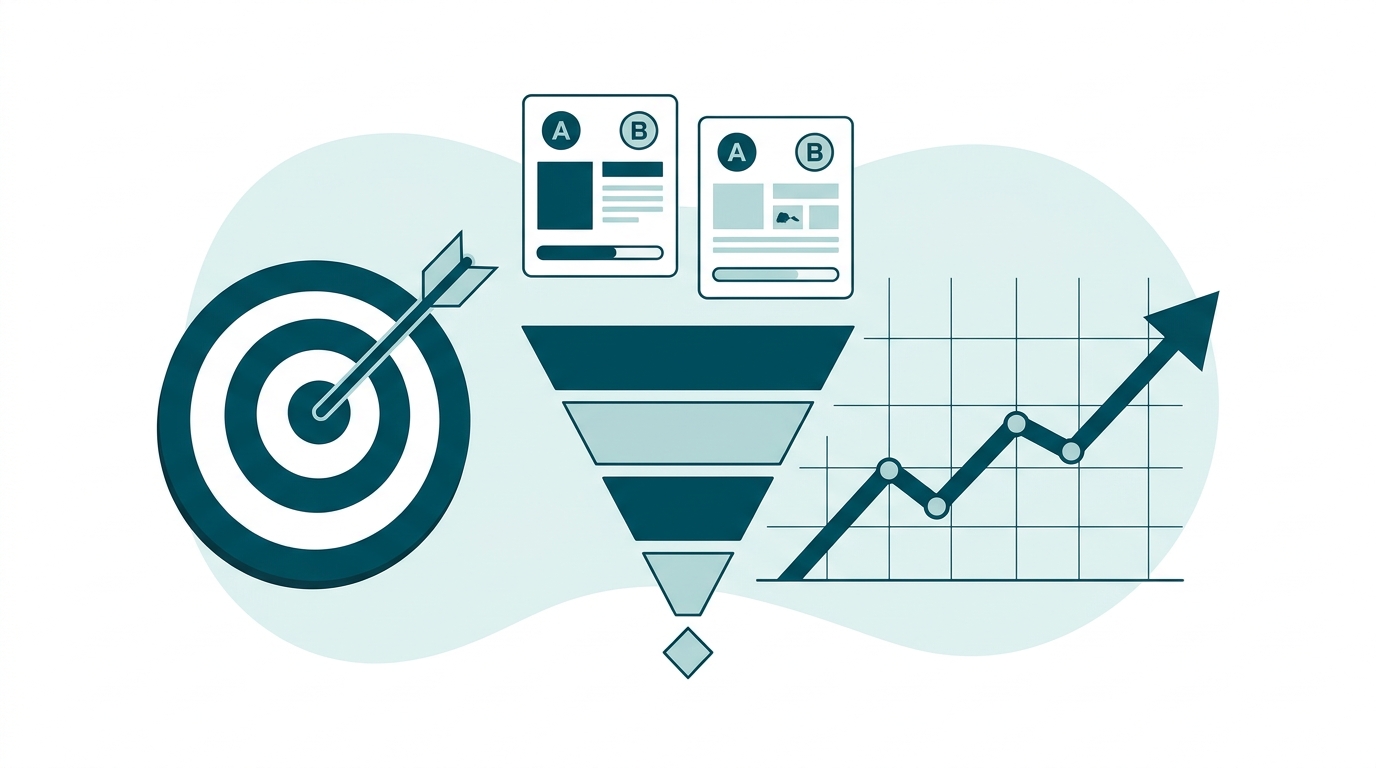
Defining Performance Marketing Clearly
Performance marketing is results-driven digital advertising where campaigns are built, tracked, and refined around concrete business actions—such as a completed enquiry form, an inbound WhatsApp conversation, a booked clinic appointment, or an online checkout.
Instead of spending budget hoping the right audience notices, performance marketers configure clean attribution signals so Meta and Google learn which creatives and audiences actually produce qualified buyers.
The Four Essential Pillars of Any Profitable Campaign
1. Solid Conversion Tracking First
Running ads without verified conversion events (Meta Pixel + Conversions API, Google Tag + enhanced conversions) is like driving blindfolded. Ensure tracking fires accurately on actual thank-you confirmations or confirmed WhatsApp/call actions—not accidental button hovers.
2. Thumb-Stopping Creative & Sharp Hooks
Modern ad algorithms rely heavily on creative relevance. Your first 3 seconds of video or your primary static visual must speak immediately to a real customer desire or frustration. Better creatives lower ad costs more reliably than obsessive micro-targeting.
3. Message-Matched Landing Pages
If your ad promises a "Free Dental Smile Checkup in South Kolkata" and clicks drop users onto a cluttered generic homepage, conversion rates collapse. Match headline, visuals, proof, and form simplicity seamlessly.
4. Sales Feedback Loops (Lead Quality Over Cheap Clicks)
Ultra-cheap leads are useless if your sales team finds that most prospects never answer the phone. Share actual qualified-lead feedback weekly so campaigns optimize toward higher-intent forms, qualifying questions, or landing pages instead of low-friction junk clicks.
Metrics That Actually Matter to Business Owners
- CTR (Click-Through Rate): Signals whether your creative hook resonates.
- CPL (Cost Per Lead): Tracks cost per form or message—useful only alongside qualification rate.
- CAC (Customer Acquisition Cost): Total marketing spend divided by genuine paying customers won.
- ROAS (Return on Ad Spend): Revenue generated relative to ad spend (must exceed break-even margin).
Coordinating Search Capture With Social Retargeting
In Indian service and D2C categories, combining Google Ads management for high-intent searches with Meta Ads management for visual storytelling and remarketing keeps acquisition disciplined. Read Google Ads vs Meta Ads to decide where to place your starting rupees.
Frequently Asked Questions
How is performance marketing different from regular brand advertising?
Traditional brand advertising buys broad exposure (like billboards or sponsorships) where direct ROI is hard to isolate. Performance marketing uses trackable digital platforms so campaigns optimize continuously toward specific conversions.
What is a healthy ROAS or CPL benchmark?
There is no universal magic number—it depends entirely on your product margin, average order value, and sales cycle. A ₹600 lead can be expensive for a ₹500 meal box yet extraordinarily profitable for a ₹2,00,000 interior design project.
Why do ad results fluctuate week to week?
Creative fatigue, seasonal competition, landing page hiccups, and auction shifts cause natural variance. Refreshing creative hooks steadily keeps campaigns healthy.