Website Design Trends Businesses Should Know in 2027
Why heavy gimmick animations are out and crisp editorial white space, bold expressive typography, authentic brand personality, and sub-second mobile speed win in 2027.
By Digitech Canvaz Editorial Desk · 4 min read
Clarity, Craft, and Speed Beat Visual Noise in 2027
Every few years, web design swings too far toward theatrical gimmicks—auto-playing full-screen videos, unreadable transparent menus, and 12 MB animations that stall smartphone batteries. In 2027, discerning buyers and search engines alike reward a far smarter balance: editorial clarity paired with unmistakable brand personality.
1. High-Contrast Editorial White Space
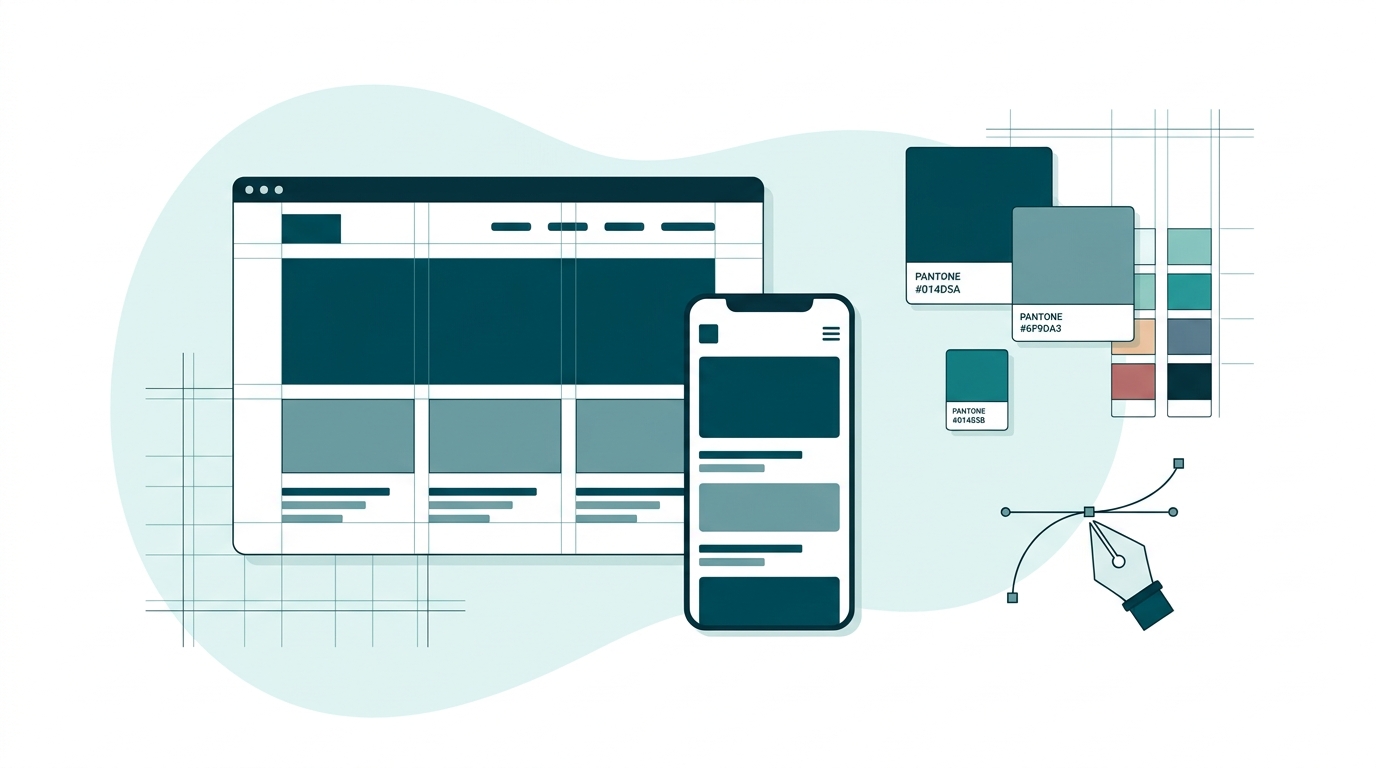
Exhausted by identical dark-mode neon gradients, top brands are embracing crisp white and soft-tinted canvases paired with one signature brand colour (like Digitech Canvaz's Deep Ocean Teal #014D5A). Generous breathing room sharpens typography, highlights real product visuals, and makes complex services feel calm and approachable.
2. Expressive Typography Over Decorative Clutter
Instead of hiding weak messaging behind busy stock collages, 2027 websites lead with confident, scannable display headings paired with warm, readable body copy—communicating the core value proposition in under five seconds.
3. Bespoke Brand Worlds, Illustrations & Real Photography
Visitors spot generic stock handshakes and glassy 3D blobs instantly. Custom cartoon mascots, clean editorial line illustrations, and candid photos of your real studio, clinic, or products create memorable differentiation no template competitor can replicate.
4. Disciplined Motion, Accessibility & Mobile Thumb-Zone Ergonomics
Subtle hover cues, crisp transitions, and restrained scroll reveals bring pages alive—while respecting prefers-reduced-motion, maintaining readable colour contrast ratios across daylight mobile viewing, and keeping Core Web Vitals healthy. On Indian smartphones, placing primary enquiry buttons and navigation controls comfortably within thumb reach avoids awkward top-corner stretching.
5. Architecture Built for Both Search Engines and Real Conversions
Visual craft fails if pages hide copy inside heavy client-side scripts or bury contact details. Modern business websites pair server-rendered metadata, clear H1-to-H3 service breakdowns, WebP media compression, and one-tap WhatsApp or form paths right where decision-makers expect them. Explore Mobile-Friendly Website Design, Why Your Business Needs a Professional Website, and How Website Speed Affects Google Rankings, or start your website refresh with Digitech Canvaz Web Design.
Frequently Asked Questions
Should every business website use heavy 3D animations to look modern in 2027?
No. Heavy 3D files slow down mid-range Indian smartphones and distract buyers trying to check services or pricing. Use crisp motion purposefully where it strengthens brand storytelling without hurting load speed.
Why are clean white and high-contrast editorial layouts dominating again?
Because users are fatigued by dark neon templates that all look identical. Generous white space, crisp typography, and focused brand colours make reading effortless and lift trust.
How often should a growing brand redesign its website?
Every 2.5 to 4 years for visual architecture—while updating copy, case studies, speeds, and landing pages continuously.